Why Is Black Pepper Extract Powder Used in Supplement Formulations?
Jun 03, 2026
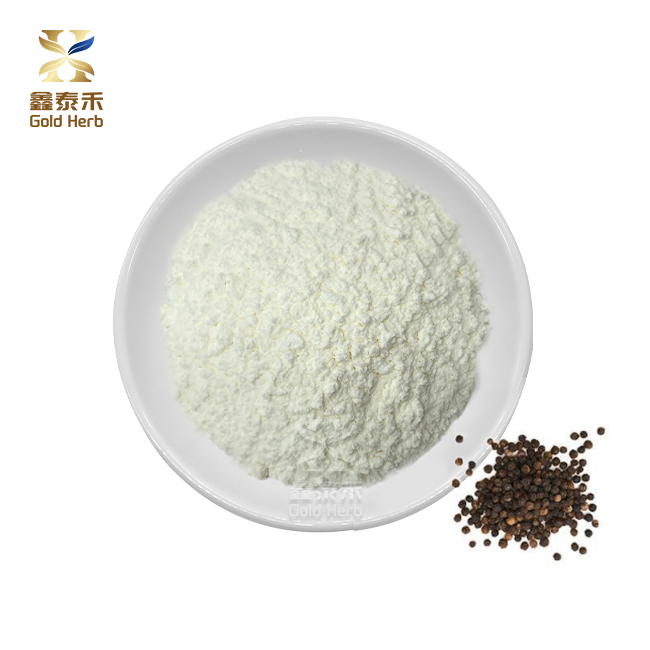
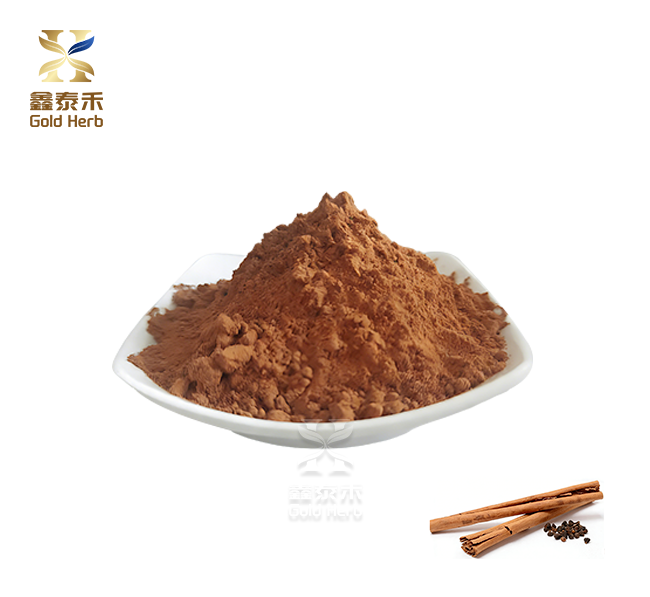
Black pepper (Piper nigrum) is far more than a kitchen staple—its concentrated extract, standardized for the bioactive compound piperine, has become a strategic ingredient in modern supplement formulations. Unlike whole black pepper, which contains only ~5–9% piperine by weight, standardized black pepper extract powder delivers consistent, potent levels of this alkaloid. Its inclusion isn’t accidental; it addresses several critical challenges in supplement design, from bioavailability gaps to formulation stability. Below are the key reasons why formulators increasingly rely on this ingredient.

1. The Bioavailability Booster: Piperine’s Star Role
The single most compelling reason for using black pepper extract powder is its ability to enhance nutrient absorption—a phenomenon often called the “piperine effect.”
Many supplement actives (e.g., curcumin, resveratrol, coenzyme Q10, fat-soluble vitamins) suffer from poor oral bioavailability. They may be broken down too quickly in the gut or liver, or fail to cross intestinal barriers efficiently. Piperine intervenes through multiple mechanisms:
Inhibits hepatic “first-pass metabolism”: It temporarily suppresses cytochrome P450 enzymes in the liver and intestines, slowing the breakdown of compounds before they enter systemic circulation.
Enhances membrane permeability: Piperine increases the fluidity of intestinal epithelial cell membranes, allowing nutrients to pass into the bloodstream more easily.
Stimulates digestive secretions: It promotes the release of bile and digestive enzymes, aiding the emulsification and absorption of lipid-based nutrients.
A classic example: Curcumin (from turmeric) is notoriously poorly absorbed on its own. Clinical studies show that combining curcumin with 5–20 mg of piperine can increase its bioavailability by 2000% within 1 hour of ingestion. This synergy allows brands to use lower, more cost-effective doses of premium ingredients while delivering superior results—a win-win for both efficacy and economics.
2. Thermogenic and Metabolic Support
Beyond absorption, piperine itself offers direct physiological benefits that complement many supplement goals:
Thermogenesis: Piperine activates transient receptor potential (TRP) channels in the body, increasing energy expenditure and fat oxidation. This makes it a common addition to weight management blends.
Antioxidant activity: While milder than other botanicals, piperine scavenges free radicals and supports endogenous antioxidant enzymes like glutathione.
Anti-inflammatory effects: Preclinical research suggests piperine modulates inflammatory pathways (e.g., NF-κB), making it useful in joint health or recovery formulas.
These properties allow formulators to create multifunctional products—for instance, a joint supplement that not only reduces inflammation but also improves the absorption of glucosamine and chondroitin.
3. Formulation Advantages Over Whole Botanicals
Using a standardized extract powder instead of raw black pepper solves practical manufacturing challenges:
|
Factor |
Whole Black Pepper |
Standardized Extract Powder |
|
Piperine consistency |
Highly variable (depends on origin, harvest) |
Guaranteed (e.g., 95% piperine) |
|
Dosage precision |
Requires large, impractical amounts |
Small, effective doses (5–50 mg) |
|
Taste/aroma |
Strong, pungent, overpowering |
Neutral, easy to mask in capsules/tablets |
|
Stability |
Prone to oxidation, flavor degradation |
Stable when stored properly |
For supplement brands, this reliability translates to fewer batch failures, easier regulatory compliance, and a better consumer experience (no “spicy” aftertaste).

4. Safety and Regulatory Familiarity
Piperine has a long history of human consumption, with a well-established safety profile at typical supplemental doses (≤50 mg/day). It is recognized as Generally Recognized as Safe (GRAS) by the U.S. FDA and approved for use in food and supplements across major global markets (EU, Japan, Australia). This regulatory clarity reduces time-to-market compared to novel, untested ingredients.
5. Versatility Across Categories
Black pepper extract powder is a “cross-category workhorse” that fits seamlessly into diverse formulations:
Sports nutrition: Enhances amino acid and creatine uptake for muscle recovery.
Cognitive health: Boosts bacopa or ginkgo biloba absorption for memory support.
Immune blends: Improves vitamin C and zinc bioavailability during seasonal challenges.
Beauty-from-within: Increases collagen peptide absorption for skin elasticity.
Its neutral flavor and small particle size make it compatible with capsules, tablets, gummies, and even functional beverages.

Conclusion: A Small Ingredient with Outsized Impact
Black pepper extract powder isn’t just a “flavor enhancer” in supplements—it’s a bioavailability catalyst, metabolic supporter, and formulation stabilizer rolled into one. By solving the age-old problem of poor nutrient absorption, it allows brands to deliver on their efficacy promises without inflating costs or compromising safety. As consumers grow more discerning about supplement performance, this unassuming botanical extract will likely remain a cornerstone of smart formulation strategy.
Contact our team at info@newgoldherb.com or visit newgoldherb.com to explore how our Black pepper extract supplier services can enhance your product portfolio and accelerate market success.

Send Inquiry
Related Industry Knowledge
- What is natural astaxanthin powder?
- Cistanche Tubulosa Extract Uses in Supplements and Functional Nutrition
- Pygeum Africanum Extract : Guarding Men's Prostate Health
- What Is KWhat Is Kava Extract? Uses, Benefits, Dosage & Safety Guideava Extract? Uses, Benefits, Dosage & Safety Guide
- Fenugreek Benefits: Testosterone, Blood Sugar & Health Support
- Best Gardenia Blue Color Powder for Clean Label Foods
- Fisetin for Anti-Aging: Science, Benefits, and Supplement Trends
- Where to Buy Pharmaceutical-Grade Gymnema Sylvestre Extract Powder?
- Best Boswellia Extract Powder for EU Joint Health Supplements
- Boswellia Extract Manufacturing Process Explained