
What are the 4 benefits of Lotus Leaf Extract?
Mar 24, 2026
Lotus has been used in traditional food and botanical practices for centuries, with different parts of the plant attracting interest for their distinctive phytochemical profiles. Among these materials, leaf-derived ingredients are increasingly used in modern formulation work because they provide a concentrated source of naturally occurring alkaloids, flavonoids, polyphenols, and other plant compounds. Lotus leaf extract offers a more practical option than using raw lotus leaves when formulators need a consistent ingredient for functional foods, beverages, dietary supplement formulations, or selected cosmetic applications. A standardized extract is worth more than the name of the plant. The features of the final ingredient depend on extraction circumstances, marker compounds, specification requirements, processing controls, and analytical testing. Therefore, the composition of each extract cannot be assumed to be similar, and consumers should assess a lotus leaf ingredient based on its disclosed specifications. Product makers are interested in four advantages of Lotus Leaf Extract: its phytochemical profile, research potential for antioxidants, compatibility for cosmetic formulations, and adaptability as a botanical ingredient. These advantages should be considered from an ingredient and formulation viewpoint since the qualities of an extract may not always transfer into therapeutic effects in final goods.
Provides a Concentrated Source of Lotus Leaf Phytochemicals
Concentration is one of the key reasons producers select a botanical extract over utilizing untreated plant material. Raw lotus leaves include a wide range of naturally occurring chemicals, and their composition might vary with growing circumstances, age of the plant, geographic origin, harvesting procedures, and processing. An extract allows for the concentration of specified ingredients into a more easily measured and included form into a formulation.
Alkaloids and Other Characteristic Compounds
The alkaloids and other phytochemicals in lotus leaves have drawn the attention of scientists. Nuciferine is one of the distinctive alkaloids related to lotus leaves and is often used as a marker in standardized lotus leaf ingredient discussions. Other naturally occurring molecules might include flavonoids and polyphenolic ingredients, although their actual concentrations are dependent on the source material and extraction procedure.
The difference is important for business purposes. A product called just “lotus leaf powder” may not contain the same concentration of marker chemicals as a standardized extract. For a formulator making a product to a certain botanical specification, knowing the concentration of the desired constituent makes it easier to pick raw materials and compare batches.
For this reason a supplier specification should describe the plant section, extraction ratio or standardization procedure when appropriate, marker compound requirements, physical properties and analytical methodologies. These insights provide R&D and quality teams with a more accurate foundation for evaluating various vendors.
Standardization Makes Formulation More Predictable
Consistency is especially crucial when a botanical element is employed in several manufacturing runs. Depending on the application and market, the producer may have a goal specification for a marker chemical such as nuciferine and also a need to set limitations for moisture, ash, microbiological parameters, heavy metals, residual solvents, or other quality indicators.
Therefore, in cases where repeatability is desired, standardized Lotus Leaf Extract may have an edge over the plant material itself. The extract may be used in a formulation according to a set standard rather than according to the weight of raw plant material alone.
But this does not imply that all extracts will possess the same properties. Diverse extraction solvents and processing conditions might provide diverse phytochemical profiles. Therefore, it is important that the buyer read the specification sheet and analytical documents provided by the supplier before choosing an ingredient for commercial production.
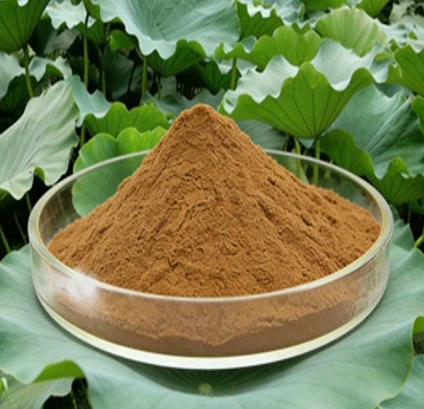

Offers Antioxidant-Related Potential for Functional Formulations
A second key advantage is that there are naturally occurring chemicals that show antioxidant action in laboratory tests. Another reason for the continued interest in botanical ingredients is that flavonoids, polyphenols, and certain other plant components may participate in antioxidant responses.
Understanding the Antioxidant Profile
The activity of an antioxidant is not a quality that can be explained without context. Different analytical methodologies provide different measurements of antioxidant behavior. An in vitro result does not alone reflect the same impact in the human body. Thus, a suitable lotus leaf extract ingredient description has to differentiate between laboratory antioxidant activity and permissible marketing claims for a final product.
Analytical characterization continues to be an invaluable instrument for ingredient makers and product developers. Selected marker chemicals may be identified and quantified using techniques such as HPLC, and other laboratory techniques can be employed to assess the larger content of an extract. The technique to be used is dictated by the requirements and the chemicals being monitored.
This analytical approach is more valuable for B2B clients than a generic declaration that the chemical is just “powerful.” It provides information for use by formulation teams in raw material qualification, inbound inspection, and batch release operations.
Suitable for Functional Food and Beverage Concepts
The botanical profile of Lotus Leaf Extract offers a range of possibilities for a variety of functional formulation strategies. Formulators may consider lotus leaf ingredients for powdered drinks, botanical blends, capsules, tablets, and other products using plant-derived ingredients, depending on local legislation and the desired product category.
In the formulation process, issues such as dose, flavor, color, solubility, compatibility with other ingredients, and stability of the completed product should be considered. The lotus leaf extract may have some typical botanical color and flavor, and they should be considered throughout the creation of the prototype and not an afterthought.
Antioxidant or health claims for overseas goods should also include regulatory standards. The same substance may be subject to varying labeling and advertising requirements in different markets.
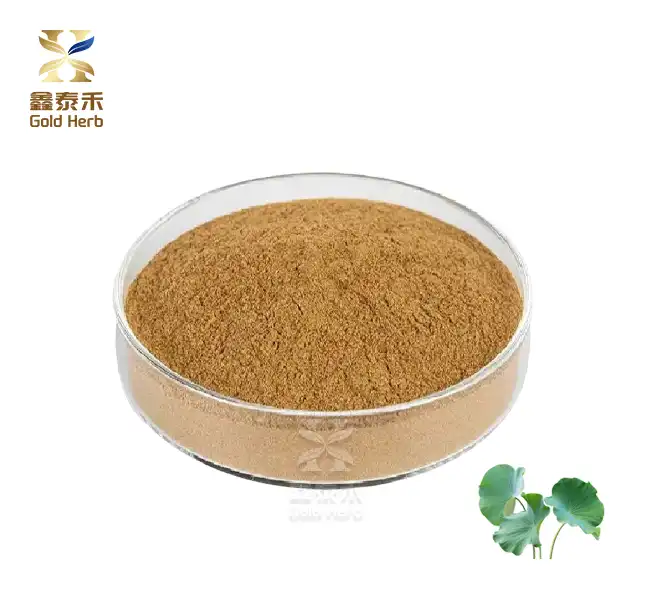
Creates Opportunities for Cosmetic and Personal Care Formulations
A third advantage is its possible use in cosmetic formulation. Cosmetic producers have a great interest in plant extracts, since they are naturally generated substances that may be used to position the product around botanical elements. Therefore, lotus leaf-based materials might be explored for certain chosen skincare and personal care ideas.
Botanical Positioning in Skincare Products
Lotus may already be recognised to consumers in many regions, which might make lotus-derived foods interesting from a botanical narrative viewpoint. A formulation containing Lotus Leaf Extract may be marketed with plant-based or botanical ideas where such marketing is appropriate to the final product and applicable local cosmetic legislation.
The extract may be tested in formulations including masks, lotions, creams, gels and serums. Suitability, however, is determined by the exact extract specification and formulation method. For instance, a powder extract for oral goods should not be expected to be acceptable for topical usage.
Cosmetic producers need to consider the carrier, technique of extraction, solubility, colour, odour, suggested usage level, microbiological requirements, and compatibility of the extract with the other ingredients in the mix. These technical elements may have a stronger influence on the efficacy of formulations than a general explanation of the traditional usage of the plant.
Quality and Stability Matter in Cosmetic Development
A cosmetic ingredient must be compatible with the completed formulation for the desired shelf life. Behaviour of a botanical extract may be affected by such factors as storage conditions, packing, moisture exposure, light sensitivity, and interaction with other components.
“That’s why a supplier should offer clear instructions for storage and specifications for the product. Then formulators may do their own stability and compatibility assessments in circumstances relevant to the completed product.
It is vital not to immediately label lotus leaf extract as an anti-inflammatory, anti-ageing or therapeutic ingredient unless the desired claim is backed by relevant data and is permissible for the target cosmetic market. A better way is to state the composition and formulation function of the ingredient and enable the testing and regulatory assessment of the final product to decide what claims may be made.
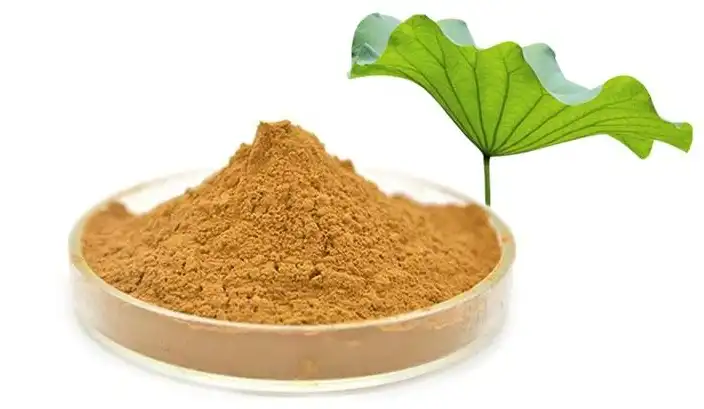
Provides Versatility for Modern Product Development
The fourth advantage is adaptability. Lotus leaf material is not restricted to a single product category, and a standardised extract may be tested by several formulation teams to their own standards. This provides the ingredient’s relevance to enterprises creating botanical goods in a number of commercial sectors.
Applications Depend on Extract Specifications
The same plant source might provide extracts with quite distinct properties. An ingredient that is standardised for a certain alkaloid concentration may play a different formulation function than a broader-spectrum extract with a wider variety of botanical elements.
This is why product developers should start with the application for which a product is designed and move backward to the specification of the raw materials. The beverage maker may concentrate on dispersibility, flavour, colour and relevant food standards. A capsule maker could be more concerned about marker ingredient concentration, powder flow, moisture, and batch uniformity. A cosmetic producer may require data on topical compatibility, microbiological limitations, colour, odour and stability.
This strategy avoids the usual error of choosing an extract on the basis of its botanical name exclusively.
Why Documentation Matters to B2B Buyers?
Technical documentation is an integral aspect of the ingredient itself for commercial purchase. Buyers may use the Certificate of Analysis to confirm that the lot provided is to the agreed standard. Supporting papers may contain a specification sheet, microbiological test findings, heavy metal analysis, residual solvent information, allergy information and other compliance documents depending on the product and market.
Explicit analytical approaches must also be used. For example, if the supplier provides a concentration of nuciferine, the customer has to know how this concentration is derived and whether the same procedure is used for every batch. HPLC is often used for quantitative analysis of certain botanical markers, although the specific technique and acceptance criteria should be verified with the provider.
Traceability is another aspect of long-term procurement. Manufacturers designing a commercial product need to be certain that the botanical raw material and extraction technique can be regulated from batch to batch. Good documentation allows the procurement, quality assurance and R&D teams to see the ingredient from numerous angles.
How to Select the Right Lotus Leaf Extract for a Product?
Choosing the proper extract is more than just looking at the pricing from different vendors. The first question should be the application. Once the application is set up, the purchaser may define the marker chemical, extraction ratio, physical form, dose range and necessary regulatory criteria.
The specification should also fit the real purpose of product development. If the corporation wants a standardised substance, it should verify the goal marker and analytical procedure, not a vague remark about “high potency". In developing an extract for a beverage, solubility and sensory properties need to be addressed. Where it is to be used for a cosmetic product, the supplier should give adequate information for a topical formulation.
Don't forget storage and packing either. Botanical powders may be impacted by moisture, heat and light depending on content and packing. Suitable containers and storage conditions may contribute to maintaining the required qualities of the ingredient throughout transit and warehousing.
Finally, purchasers should assess the supplier’s quality system and manufacturing capability. When going from lab samples to commercial production, the consistency of the paperwork, batch testing, traceability and rapid technical assistance might be as crucial as the botanical ingredient itself.
Conclusion
Lotus leaf extract is a versatile botanical ingredient with potential applications across functional food, beverage, dietary supplement, and cosmetic formulation development. Its value comes primarily from its concentrated phytochemical profile, the presence of characteristic compounds such as nuciferine, its antioxidant-related research potential, and its flexibility as a plant-derived formulation ingredient.
For manufacturers, however, the quality of an extract cannot be judged only by its botanical name or a general list of benefits. Standardisation, analytical testing, physical properties, storage requirements, batch consistency, and regulatory documentation all need to be considered before the ingredient is introduced into a commercial formula.
A well-defined specification gives R&D and procurement teams a clearer way to evaluate the material and compare suppliers. It also helps quality teams establish appropriate incoming inspection and batch-release procedures. When these factors are considered together, Lotus Leaf Extract can become a practical component of botanical product development rather than simply another plant extract listed on an ingredient sheet.
The most suitable extract will ultimately depend on the target product, required specification, market, and formulation conditions. Working with a supplier that can provide consistent batches, clear analytical documentation, and technical information for the intended application can make the transition from initial sample evaluation to commercial production much more straightforward.
FAQ
1. What is the recommended dosage for Lotus Leaf Extract Powder in supplement formulations?
Doses are generally between 100 mg and 500 mg, but this can change based on the drug's goal and the amount of active ingredients. To get the effects you want from products with more nuciferine, you only need to take smaller amounts. When formulators make their own medicines, they should test for stability to find out what doses work best.
2. How does Lotus Leaf Extract Powder compare to lotus seed powder in terms of benefits?
Lotus Leaf Extract Powder is an antioxidant that helps you lose weight because it has nuciferine and flavonoids in it. Lotus Seed Powder, on the other hand, is better for you because it has protein and starch in it. The leaf extract has more concentrated health-beneficial substances that can be used in certain ways.
3. What certifications should I look for when sourcing Lotus Leaf Extract Powder?
Providers who are good should be able to show that their goods are FDA, ISO9001, HACCP, HALAL, or Kosher-certified if your market needs them. Also, look for full testing records that show the amounts of active substances through HPLC analysis and residue screening results.
4. Can Lotus Leaf Extract Powder be used in organic product formulations?
Organic types of lotus leaf extract are available from certified suppliers who follow rules for organic growing and processing. Making sure the extract meets your labelling needs for organic goods is important. Check the organic certification papers.
Partner with Gold Herb for Premium Lotus Leaf Extract Powder Supply
Gold Herb stands as your trusted Lotus Leaf Extract Powder manufacturer, delivering pharmaceutical-grade botanical extracts backed by rigorous quality control and international certifications. Our advanced extraction facilities produce standardized lotus leaf extracts with nuciferine concentrations ranging from 1% to 98%, ensuring precise formulation control for your product development needs.
We maintain a permanent inventory of over one ton for standard specifications, enabling 24-hour shipping upon order confirmation. Our U.S. warehouse operations guarantee fast fulfillment within 3-5 business days, while customization services accommodate unique formulation requirements within 7-15 working days. Contact our technical team at doris@newgoldherb.com for competitive pricing, bulk purchase options, and tailored consultation services that support your product success.
References
1. Zhang, L., et al. (2018). "Bioactive Compounds and Antioxidant Properties of Nelumbo nucifera Leaves: A Comprehensive Analysis." Journal of Functional Foods, 42, 186-194.
2. Chen, M., & Wang, H. (2019). "Nuciferine and Weight Management: Metabolic Pathways and Clinical Applications." Phytotherapy Research, 33(8), 2051-2060.
3. Liu, S., et al. (2020). "Anti-inflammatory Effects of Lotus Leaf Extract in Cosmetic Applications: In Vitro and Clinical Studies." International Journal of Cosmetic Science, 42(3), 245-253.
4. Kumar, R., & Singh, A. (2017). "Safety Assessment and Toxicological Profile of Lotus Leaf Extracts in Human Applications." Food and Chemical Toxicology, 108, 456-463.
5. Thompson, K., et al. (2021). "Standardization and Quality Control of Nelumbo nucifera Leaf Extracts for Commercial Applications." Journal of Pharmaceutical and Biomedical Analysis, 195, 113842.
6. Rodriguez, P., & Martinez, C. (2019). "Antioxidant Capacity and Phytochemical Composition of Lotus Leaf Preparations: Comparative Study of Extraction Methods." Plant Foods for Human Nutrition, 74(2), 198-205.

Send Inquiry
Related Industry Knowledge
- Why Silymarin Is the #1 Natural Liver Support Ingredient
- What is kava extract powder ?
- Fisetin vs Curcumin: Key Differences and Benefits
- How much weight can you lose with garcinia cambogia extract powder?
- Urolithin A for Mitochondrial Health: Benefits, Science, and Supplement Trends
- Ergothioneine Powder: A Premium Antioxidant for Cellular Protection and Anti-Aging Solutions
- What Is Urolithin A? Benefits, Mitochondrial Health & Bulk Supply
- Sodium Copper Chlorophyllin vs Natural Chlorophyll: Which Should You Choose?
- Fisetin Ingredient for Anti-Aging, Brain Health, and Antioxidant Supplements
- OEM Gymnema Sylvestre Extract for Private Label Products