
Senna Extract vs Senna Powder: Which Works Better for Digestive Health?
Mar 23, 2026
Choosing between senna extract and senna powder is not simply a matter of selecting the form with the higher concentration. For manufacturers, ingredient buyers, and product developers, the more important question is how each material fits the intended formulation, specification, processing method, and target market. Senna has been used as a botanical ingredient for many years, and commercial products can be supplied in several forms. Whole-leaf senna powder retains much of the original plant material, while an extract is processed to concentrate selected constituents. Among these constituents, sennosides are particularly important when manufacturers need a defined specification for their finished product. For B2B buyers, this distinction can affect raw material consistency, formulation calculations, analytical testing, production efficiency, and documentation. A standardized senna leaf extract can therefore be attractive when a product requires a controlled sennoside level, while senna powder may remain suitable for applications where a less processed botanical ingredient is preferred. The right option relies on the product, not on the fact that one form is better than the other in all cases. Understanding how the two materials are different might assist procurement teams in making a more realistic selection before placing an order.
How Senna Extract and Senna Powder Differ at the Raw Material Level?
Senna powder and senna extract originate from senna leaves; however, the elements in the final formulation are not identical. Senna powder is normally obtained by drying and grinding the plant material. An extract is further processed to concentrate certain components. This variation is important to how the material behaves in formulation and how manufacturers list the ingredient.
Processing Methods and Material Characteristics
Senna powder is quite easy to make. The leaves are dried after harvesting and processed into a powder with a particle size appropriate for the desired purpose. The material is still rather near to the botanical it came from; therefore, it has more variety of the naturally present plant components.
Manufacturers seeking a botanical powder for the full plant might find such property advantageous. Furthermore, the relative concentration of specific elements may vary depending on the plant source, circumstances of harvest, processing, storage, and other raw material characteristics.
Senna extract takes some processing. Depending on the production process, water or other appropriate extraction medium can extract specified compounds from the original plant matrix. The extract is then concentrated and dried into a powder.
The crucial aspect for business customers is not only that an extract is "stronger." However, the primary benefit is the ability to specify a specified specification for chosen compounds. When a product is ordered to a given sennoside level, the buyer gets a more definite parameter with which to compare batches and calculate how much of the ingredient is necessary in a formulation.
Sennoside Standardization and Analytical Control
Sennosides A and B are some of the typical ingredients for the evaluation of senna materials. Hence, their concentration is a key factor in comparing various commercial grades.
A standardized extract may be produced to a specified sennoside specification, such as a stated proportion suited to the supplier’s product grade. This provides the formulation teams with a more predictable starting point than a botanical powder where the quantities of constituents might fluctuate from lot to lot.
Analytical testing is of special importance here. HPLC may be used to quantify individual ingredients and confirm if a batch fits the approved standard. Depending on the supplier, the product form, and the client needs, other analytical and quality control procedures may also be used.
For procurement teams, this means the spec sheet and COA are more valuable than just comparing the phrases “extract” and “powder” on a product list. Buyers should check precisely what is being standardized, what analytical technique is employed, and what acceptability range is applied to each batch.
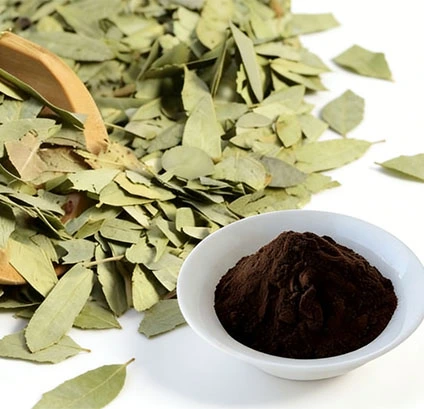
Comparing Senna Extract and Senna Powder for Product Development
The comparison of the two materials, from the point of view of the formulation, makes the decision more obvious. No material is inherently suitable for every purpose. The choice of the correct alternative is dependent on the needed concentration, available formulation space, the production process, and the anticipated documentation in the target market.
When Standardized Extract Offers a Practical Advantage?
Specification control is one of the key reasons producers choose an extract. A standardized extract may ease formulation calculations when the end product is required to include a certain amount of sennosides, since the concentration of the active marker is known beforehand.
This might be of particular use in goods when the quantity of botanical material is restricted. A concentrated ingredient may enable the formulator to use a reduced amount of raw material while still meeting the criteria for the end product.
Powder extract may also facilitate comparison between batches. Instead of assessing huge amounts of raw botanical material with different ingredient levels, the formulation team might start with a senna leaf extract that has a known target range.
But standardization doesn’t imply all extracts are the same. The extraction solvent, extraction ratio, drying conditions, carrier materials, particle properties, and analytical procedures may alter the final ingredient. Buyers should consequently evaluate full specs, not depend on the phrase “extract” alone.
Where Senna Powder May Still Make Sense?
Senna powder plays a role in the creation of botanical products. It is made by drying and grinding the plant material, rather than concentrating chosen ingredients via extraction. Therefore, it may be suitable for applications where a whole-leaf botanical powder is desirable.
It may also be explored if the formulation does not need a strictly standardized sennoside concentration or where the product idea is based on a larger botanical material rather than a concentrated extract.
The most important thing is consistency. Natural plant powders might vary from batch to batch. Manufacturers utilizing senna powder should set adequate incoming-material requirements and testing methods. This is especially crucial if the end result has a specific raw material need.
For certain producers, the lower processing level of powder could be a buying decision. For others, the increased analytical control provided by a standardized extract may be worth the extra raw material expense.
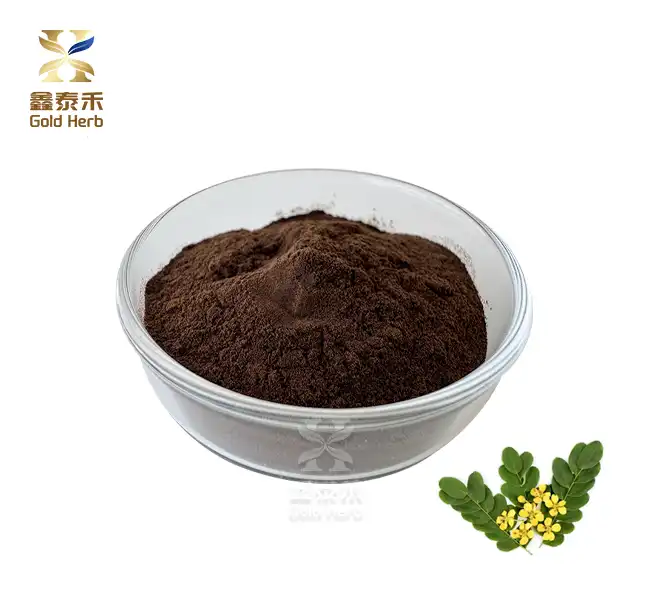
What B2B Buyers Should Check Before Ordering?
For commercial procurement, the difference between senna extract and senna powder is only one part of the decision. Supplier documentation and manufacturing controls can have an equally important influence on the suitability of the material.
Specification, Testing, and Batch Consistency
A reliable purchase specification should identify the botanical name, plant part, product form, marker-compound specification, moisture requirements, microbiological limits, heavy metal requirements, pesticide residue criteria, and any other parameters relevant to the finished product.
For a standardized senna leaf extract, the sennoside specification should be particularly clear. Buyers should ask whether the stated percentage refers to total sennosides or a specific marker, and they should confirm how the value is determined.
The COA should correspond to the agreed product specification and batch number. Where HPLC is used, procurement and quality teams may also want to confirm the testing method and whether the analytical procedure is performed internally or through an external laboratory.
These details matter because two products carrying similar commercial names can have significantly different specifications.
Documentation for Different Markets
Regulatory requirements vary according to the country, product category, and intended use. A raw material destined for a botanical ingredient product may face different documentation requirements from one intended for another category.
For this reason, suppliers should be able to provide relevant technical documentation rather than making broad claims about universal regulatory acceptance. Depending on the customer's market, useful documents may include a specification sheet, COA, microbiological report, heavy metal testing, pesticide residue results, allergen information, and relevant certification documents.
The buyer should also confirm whether the supplier can support customer-specific documentation. This can be particularly helpful for companies selling the same ingredient in multiple markets.
Packaging, Storage, and Supply Planning
Packaging is another practical consideration that is sometimes overlooked during ingredient selection. Botanical powders such as senna leaf extract should be packed in a way that protects the material from moisture and contamination during transportation and storage.
The buyer should confirm the standard package size, available packaging options, storage conditions, shelf-life information, and shipping requirements before finalizing the order. For long-term supply, lead time and production capacity should also be discussed.
A technically suitable ingredient becomes much less useful if the supplier cannot maintain predictable delivery schedules. Manufacturers therefore need to assess both product quality and supply capability when qualifying a new source.

How the Two Forms Fit Different Commercial Applications?
The intended application can help determine whether extract or powder is more appropriate. The same botanical may require a different raw material format depending on the manufacturing process and finished-product specification.
Formulations Requiring Defined Marker Levels
Products that require a controlled sennoside specification are generally easier to formulate with a standardized extract. The defined concentration allows the formulator to calculate the required raw material quantity more consistently.
This does not remove the need for finished-product testing, but it can make the raw material stage easier to manage. It also provides a clearer basis for comparing supplier batches during qualification.
Products Designed Around Botanical Powder
When the formulation calls for a whole-leaf botanical material, senna powder can be a more natural fit. In this situation, the manufacturer is purchasing the plant material itself rather than primarily purchasing a concentrated marker compound.
The trade-off is that the manufacturer may need stronger incoming quality controls to account for natural variation. Raw material identity, constituent testing, moisture, microbiological quality, and storage conditions should all be considered as part of the purchasing specification.
Manufacturing and Handling Considerations
Physical properties also deserve attention. Particle size, bulk density, moisture, flowability, and powder dispersion can influence how a botanical ingredient performs during blending, encapsulation, tableting, or other manufacturing operations.
An extract may be easier to standardize chemically, but that does not automatically mean it will perform better in every production process. The actual powder characteristics should be evaluated using the supplier's specification and, where appropriate, a production trial.
For this reason, requesting a sample before a large purchase can be more useful than selecting a material based only on its product description.
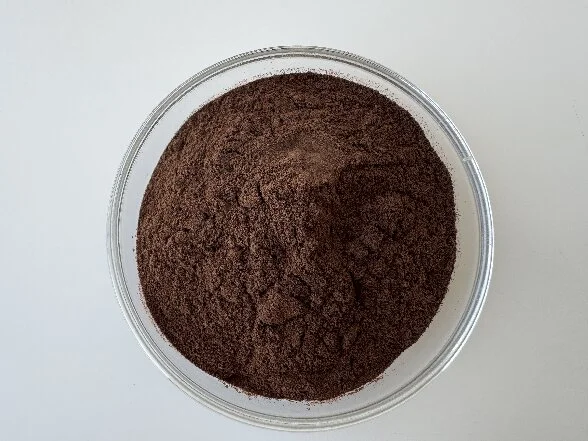
Conclusion
Standardized senna extract can offer practical advantages over conventional senna powder or senna leaf extract when manufacturers prioritize defined sennoside levels, batch consistency, formulation control, and detailed quality documentation. Senna powder can still be suitable when a whole-leaf botanical format and less processed raw material are more important.
For B2B buyers, the best decision is not based on concentration or price alone. Reviewing the product specification, analytical data, supplier quality system, documentation, physical characteristics, packaging, and supply capability provides a more reliable basis for selecting the right ingredient. When these factors are evaluated together, manufacturers can choose a senna raw material that better matches their formulation and procurement requirements.
FAQ
1. What makes senna leaf extract powder superior to raw senna powder?
Senna leaf extract powder provides standardized sennoside concentrations that have been confirmed through HPLC and UV tests. This ensures that all output runs are equally effective. The amount of active compounds in raw powder changes based on how it was harvested and how it was processed. This makes it hard to formulate and follow regulations.
2. How should senna extract powder be stored for optimal stability?
Keep senna extract powder in its original, tightly sealed cases that are kept away from light to keep its effectiveness and stop it from breaking down. To keep the sennoside content stable over the product's shelf life, the dark brown powder should be kept in a cool, dry place with managed humidity.
3. What certifications should I expect from quality senna extract suppliers?
Reliable providers offer a wide range of certifications, such as FDA registration, ISO9001, HACCP, HALAL, and Kosher certificates. These certificates show that quality management is being done in a planned way and allow finished goods with senna extracts to reach markets around the world.
4. Can senna extract powder be customized for specific applications?
Yes, major providers do offer customization services that include changing particle sizes, sennoside concentrations, and special packing choices. Usually, samples are given to be evaluated, and based on the specifications, customized goods can be made in 7–15 working days.
Partner with Gold Herb for Premium Senna Leaf Extract Powder Solutions
Gold Herb's pharmaceutical-grade senna leaf extract powder delivers unmatched quality and consistency for your digestive health formulations. Our standardized extracts feature precise sennoside concentrations verified through advanced HPLC and UV testing, ensuring regulatory compliance and optimal product performance. As a trusted senna leaf extract powder supplier, we maintain over one ton of inventory for immediate shipment and offer comprehensive certifications, including FDA, ISO9001, HACCP, HALAL, and Kosher approvals. Our technical team, backed by industry-academia collaboration with Academician Li Xiaokun and Wenzhou University, provides formulation support and customization services to meet your specific requirements. Contact doris@newgoldherb.com today for samples, detailed specifications, and competitive pricing that support your product development success.
References
1. Singh, B., & Singh, J.P. (2018). Pharmacological evaluation of Cassia species: A comprehensive review of sennoside compounds and their therapeutic applications. Journal of Ethnopharmacology, 235, 45-62.
2. Thompson, A.R., Martinez, C.L., & Rodriguez, M.E. (2020). Standardization and quality control of senna extracts: HPLC analysis of sennosides A and B in commercial preparations. Phytochemical Analysis, 31(4), 512-528.
3. Williams, D.K., Chen, L., & Patel, S.R. (2019). Comparative bioavailability study of senna extract versus crude powder formulations in stimulant laxative applications. International Journal of Pharmaceutics, 567, 187-195.
4. Anderson, K.M., Johnson, R.T., & Lee, H.S. (2021). Regulatory considerations for botanical extracts in digestive health products: FDA compliance and international standards. Regulatory Affairs Review, 28(3), 78-89.
5. Kumar, V., Shah, N.P., & Gupta, A.K. (2020). Industrial processing and quality assessment of Cassia angustifolia extracts: From traditional medicine to modern pharmaceuticals. Industrial Crops and Products, 145, 112-125.
6. Mitchell, J.R., Brown, E.L., & Davis, C.H. (2019). Safety profile and dosage optimization of standardized senna extracts in over-the-counter laxative formulations. Clinical Therapeutics, 41(8), 1456-1468.

Send Inquiry
Related Industry Knowledge
- Ergothioneine Benefits for Skin, Brain, and Cellular Health
- What Is Cyanotis Arachnoidea Extract Used For in Sports Nutrition
- Urolithin A Manufacturer | Premium Raw Material for Longevity Supplements
- Fisetin Powder Manufacturing Process & Purity Standards
- High-Quality 5-HTP Powder Supplier for Sleep & Mood Supplements
- Where to Buy Natural Gardenia Blue Color Powder?
- Fisetin Ingredient for Anti-Aging, Brain Health, and Antioxidant Supplements
- Why Ergothioneine Is a Trending Ingredient in Longevity and Antioxidant Supplements
- Boswellia Extract Manufacturing Process Explained
- Coenzyme Q10 98% for Bulk Supply: High-Purity Ingredient for Dietary Supplements