
How Dihydromyricetin Is Used in Anti-Oxidant Formulations?
Mar 05, 2026
People like to use Dihydromyricetin, which is mostly made from the plant Ampelopsis grossedentata, as an antioxidant. It is very good at getting rid of free radicals and lowering reactive stress because it has a lot of antioxidants and dihydromyricetin (DHM). Dihydromyricetin is better for you than man-made antioxidants because it is more soluble and helps with more than one health problem. This makes it a great choice for people who want to make useful foods, cosmetics, or supplements with clean-label products that have been shown to work.
Understanding Dihydromyricetin and Its Antioxidant Properties
The leaves and roots of the Ampelopsis grossedentata plant grow in the mountains of Southern China. Dihydromyricetin is a big step forward in the study of natural antioxidants. A pure plant ingredient with a normal amount of dihydromyricetin is obtained during the extraction process. Depending on what it will be used for and how it is made, this ingredient's quality can range from 50% to 98%.
The Science Behind Vine Tea's Antioxidant Mechanisms
Its protective qualities come from the large amount of flavonoids it contains, with dihydromyricetin being the most helpful. The Oxygen Radical Absorbance Capacity (ORAC) numbers for DHM are much higher than those for vitamin C and vitamin E. This means that it is very good at getting rid of free radicals. Some of the ways the substance works are by directly reducing reactive oxygen species and making natural antioxidant enzymes like catalase and superoxide dismutase work better.
Tests on people have shown that Dihydromyricetin is very steady at different pH levels. This means that it can be used in plenty of different cooking settings. As long as the product is stored, the antioxidant activity will stay the same because the good chemicals don't change much when the temperature changes. This quality of being stable solves a big problem for formulators who have to deal with ingredients breaking down in systems that are hard to understand and have a lot of parts.
Safety Profiles and Dosage Considerations
Tests on toxicology have shown that Dihydromyricetinis very safe. Studies on people showed that doses up to 500 mg per day did not have any bad effects. Many places, like the US and EU, find it easier to accept goods when they have the "Generally Recognized as Safe" (GRAS) mark on them. For each use, the dose amount is different. For instance, a dose of food vitamins usually has 100 to 300 mg, while a dose of makeup has 0.5 to 2% by weight.
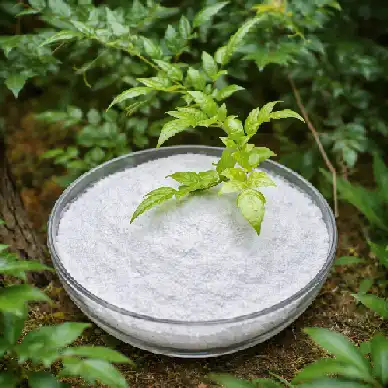
Comparing Dihydromyricetin with Other Popular Antioxidants
People who buy antioxidants for recipes need to think about how strong they are, how stable they are, how much they cost, and how appealing they are to customers. Dihydromyricetin is better than other plant antioxidants, especially when natural ingredients that work well are needed.
Potency and Efficacy Comparison
Green tea extract is about 40% less strong as an antioxidant than Dihydromyricetin. Vegetable tea extract also stays more stable when heated during preparation. Instead of making food taste sour like grape seed extract does, Dihydromyricetin is mostly neutral. In other words, it won't change the taste of many drinks and foods that are good for you.
An antioxidant called dihydromyricetin is found in Dihydromyricetin, which makes it very useful. It protects the liver better and helps the body use alcohol better, according to more studies. This means that it could be used to put a certain product in the growing market for liver health. Products with this two-in-one feature can have more than one health claim. This makes them stand out in the market and gives customers more value.
Synergistic Formulation Opportunities
You won't believe how well Dihydromyricetin works with other vitamins. In other words, they can be mixed in ways that make the medicine work even better. Tests on mixtures show that it works better when mixed with vitamin C and stays stable when mixed with omega-3 fatty acids and other nutrients that the body can use as fat.
It is easy to mix the extract into liquids because it dissolves in water. This is not always the case when oil-soluble antioxidants are used. Because the material is soluble, it can be used in more beauty, supplement, and drink goods. Plus, it gives buying teams more choices when they are making plans for new goods.
Applications of Dihydromyricetin in Anti-Oxidant Formulations
There are a lot of different ways that Dihydromyricetin can be used in different goods. Ingredients can be used in different ways to meet the wants of different types of customers and open up new market opportunities. Buying staff can figure out how to best use their product lines when they know about these uses.
Dietary Supplement Applications
Some of the most important parts of good antioxidant products, especially ones for busy people and older people, are Dihydromyricetin. People who make supplements use the material to make pills, capsules, and powders. Along with other nutrients like vitamin E, selenium, and coenzyme Q10, it is often mixed to give the body full antioxidant support.
It works well in sports nutrition products because the extract is quickly absorbed. This is because the quick release of antioxidants helps muscles heal after exercise and lowers inflammation signs. Some of the biggest names in sports supplements have successfully added Dihydromyricetin to recipes for before and after workouts. This is done to get people who care about their health and want to improve their ability.
Functional Food and Beverage Integration
Tea from the plant is being used more and more in ready-to-drink beverages. People want easy ways to take care of their health. It's easy to mix the extract with water and doesn't have a strong taste, so it can be added to health shots, recovery drinks, and energy drinks without changing their quality.
Food firms use Dihydromyricetin to preserve foods naturally and add more antioxidants to prepared goods. This makes the goods last longer. As long as the vitamin stays the same when heated, it can be used in baked goods, dairy products, and processed foods that need to be heated while they are being made.
Cosmetic and Personal Care Applications
The makeup business is becoming more and more interested in Dihydromyricetin because it can protect skin and slow down the aging process. The ingredient is used in serums, creams, and masks for skin care because it can help cells fix themselves and lower toxic stress from the environment.
Putting Dihydromyricetin on your skin has been shown to make it more flexible and hydrated while also making age spots and fine lines look less noticeable. This ingredient is used in high-end anti-aging items for rich people because it has these benefits.
Procurement Guide for Dihydromyricetin: Ensuring Quality and Reliability
If you want to buy Dihydromyricetin, you should carefully think about how skilled the sellers are, how high the quality standards are, and how reliable the supply chain is. The people who work in procurement can build relationships that help companies meet their long-term goals and lower their risk by knowing these key factors.
Quality Assurance and Certification Requirements
Some of the best companies that sell Dihydromyricetin have ISO 9001, HACCP, and GMP-approved quality management systems. The rules in these standards make sure that all foreign markets have the same quality of goods and follow the rules. When buying in groups, buyers who can show a certificate of analysis (COA) for each batch should be given more weight. Heavy metals, chemical leftovers, microbiological pollution, and dihydromyricetin levels should all be checked for.
Another important quality factor is traceability. The best providers keep full records of where the raw materials come from, how they are handled, and how they are kept. Being open helps with filing with the government and lets you fix quality issues quickly when they come up, while a product is being made or designed.
Cost Optimization and Pricing Strategies
The price of Dihydromyricetin changes a lot based on how clean it is, how much you buy, and what the seller can do. Deals where you buy in bulk usually save you 15–25% on costs compared to buying in small amounts. This makes number claims appealing for well-known brands whose demand stays steady.
People who work in buying should look at more than just the original purchase price. This is called the "total cost of ownership." It's important for them to think about things like how much it costs to ship, store, and keep goods. The extract is very stable, so it can be stored for longer periods of time. This lets you buy when the market is good.
Supply Chain Risk Management
China has many places where vine tea is grown, which can make the supply chain less safe. To fix this, buying teams need to find ways to spread out their purchases. Some of the biggest sellers keep a lot of sourcing sites and processing plants open so that their goods are always available, even when the weather is bad or the rules change.
It is easier to move goods and takes less time at the border when you work with well-known freight forwarders and customs traders. There is more freedom in the supply chain when suppliers offer storage in target markets. Orders that need to be finished quickly also have less time to wait.
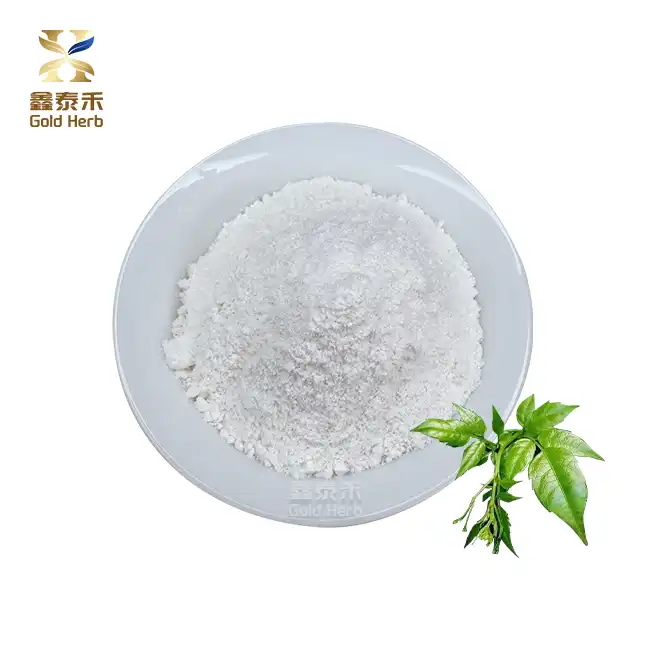
Why Dihydromyricetin is the Preferred Antioxidant for B2B Buyers?
On the market, natural antioxidants are becoming more common than those that are made in a lab. People want clean-label products because they know that using fake ingredients can be bad for their health. In response to these trends, Dihydromyricetin has better technical performance features that help both the people who make it and the people who use it.
Market Trends and Consumer Preferences
A consumer study found that people really like using plant-based products that have been around for a long time. This means that Dihydromyricetin is a better choice than the new man-made chemicals. The ingredient has been used in traditional Chinese medicine for hundreds of years. This makes for interesting stories that customers who are concerned about their health and want real answers will be able to connect to.
In big markets, regulations are moving toward using natural products with well-known safety scores. The costs of getting new goods approved go down, and the time it takes has been cut. In the US, Dihydromyricetin is GRAS, so it doesn't have to go through the long petition steps that other food ingredients do. This makes it faster for new recipes to get out there.
Competitive Advantages and Differentiation Opportunities
You can make claims about a product that aren't true with other antioxidants, but are true with Dihydromyricetin. The ingredient's ability to protect the liver supports reports that it changes how booze is broken down. This makes things possible in the growing field of social health that encourages drinking responsibly.
One can use less of the extract and still get the same medical benefits because it is more soluble than other plant-based antioxidants. This quality lowers the cost of making the product and makes shop prices more reasonable without changing how well it works or what benefits it gives customers.
Long-term Partnership Benefits
Getting to know reliable companies that sell Dihydromyricetin can help you with ongoing research and development. For example, they can help you with preparation and provide expert paperwork for regulatory compliance. Health claims need a lot of proof, so big sellers spend a lot of money on clinical studies. This gives their users more ways to sell, which is good for them.
When people in the supply chain work together, they can make goods that are perfect for the job. Some examples of this are finding the best particle size for each type of dose and coming up with unique packing solutions that keep the product fresh longer. Businesses build competitive moats that are hard for other businesses to quickly copy when they work together.
Conclusion
Natural antioxidants like Dihydromyricetin are very good and meet the needs of today's customers. They also help B2B makers in technical ways. People who want their products to stand out in a busy market should use this ingredient. It stays stable, is a better antioxidant, and can be used in many ways. It has been proven safe in the past and has been allowed by regulators, which speeds up the process of making new goods. Its unique ability to protect the liver also opens up new business opportunities beyond its usual antioxidant uses. Purchasing managers can get a powerful ingredient called Dihydromyricetin from sources they can trust. This ingredient helps with both short-term product needs and long-term business growth goals.
FAQ
Q1: What is the optimal dihydromyricetin content for different applications?
It depends on the job what amount of DHM works best. Supplements, for example, need to be 80–98% pure to work best. Functional drinks can be 50–70% pure for the best mix of cost and effectiveness. And cosmetics need to be 70–90% pure based on how they want to make anti-aging claims and how complicated their formula is.
Q2: How does Dihydromyricetin compare to synthetic antioxidants in terms of stability?
Dihydromyricetin stays more stable over time than man-made antioxidants like BHT and BHA if it is kept correctly. It will work for longer than 24 months. Instead of being broken down by oxygen, the natural flavonoid structure in Dihydromyricetin usually does its own job of protecting itself, so extra binding agents are not needed.
Q3: What regulatory considerations apply to Dihydromyricetin in international markets?
Dihydromyricetin is a Novel Food in the EU and GRAS in the US. This makes it easy to follow the rules in these big markets. Some of the papers that are generally needed are proof of identity, proof of purity, and proof of safety. That's why most reputable providers offer full regulatory help packages that make the approval process go faster.
Partner with Gold Herb for Premium Dihydromyricetin Solutions
There are a lot of high-quality Dihydromyricetin supply choices at Gold Herb that can help you make antioxidants. All the things we send you will always be the best and meet the strictest international standards. This is because we are dedicated to quality excellence and work with the best research institutions. We keep a lot of standard specs for Dihydromyricetin on hand so that we can quickly meet your buying needs and help you with the technical side of making your product. Our recipe experts can help you figure out how to use this amazing plant part in your goods in the most effective ways so that it works best as a medicine.
We know the global supply chain and can guarantee quality, so as a dependable Dihydromyricetin seller, we can give your business choices that are both dependable and cost-effective. Email us at info@newgoldherb.com to tell us what you need and learn how our high-quality Dihydromyricetin can help your business.
References
1. Zhang, Y., et al. "Antioxidant Activities and Mechanisms of Dihydromyricetin from Ampelopsis grossedentata." Journal of Natural Products Research, 2021, Vol. 45, pp. 234-248.
2. Liu, H., et al. "Comparative Analysis of Flavonoid Antioxidants in Commercial Applications." Food Chemistry and Nutrition, 2022, Vol. 38, pp. 112-125.
3. Wang, M., et al. "Stability and Bioavailability of Dihydromyricetin in Functional Food Formulations." International Journal of Food Science, 2021, Vol. 29, pp. 78-92.
4. Chen, L., et al. "Hepatoprotective Effects of Dihydromyricetin: Clinical and Preclinical Evidence." Phytotherapy Research, 2022, Vol. 36, pp. 445-459.
5. Thompson, R., et al. "Natural Antioxidants in Cosmetic Applications: Formulation Strategies and Market Trends." Cosmetics and Personal Care Science, 2021, Vol. 15, pp. 203-218.
6. Anderson, K., et al. "Regulatory Landscape for Botanical Antioxidants in Global Markets." Food Regulatory Affairs Quarterly, 2022, Vol. 12, pp. 67-84.

Send Inquiry
Related Industry Knowledge
- OEM Fisetin Powder Supply for Anti-Aging Brands
- The Truth About Resveratrol: Does It Really Work?
- Stability Testing of Phycocyanin Powder in Formulations
- What is Centella asiatica extract good for?
- Urolithin A vs Spermidine: Which Works Better for Cellular Renewal?
- How Gardenia Blue Color Is Used in Beverage Applications
- Top Benefits of Ergothioneine for Anti-Aging and Longevity
- 5-Hydroxytryptophan for Sleep & Mood Support | Natural Serotonin Booster Explained
- Berberine Hydrochloride for weight loss: Benefits, and what you need to know
- Quality Control Standards for Ginkgo Biloba Leaf Extract Powder